
Confused about Different types of Compressor? This Video Explains all
Alongside EQ and effects, compression is one of the most essential tools in any producer’s arsenal. Its ability to shape and control the dynamics of a sound is unparalleled.
But while many of us rely on compression, and often have our go-to plugins, how well do we really understand the differences between the various types of compressors? If you’re unsure, don’t worry. The In The Mix YouTube channel recently released a clear and insightful video that breaks it all down.
First, let’s summarise the main types of compressors featured in the video and explore what makes each one unique.
FET (1176)
Main Characteristics: Fast attack, Attitude, Room, Tone, Saturation.
Great for: Dynamic Vocals such as Rap vocals, Punchy Drums, Synths with attitude

OPTO (LA-2A):
Main Characteristics: Smooth, Tubes,
Great For: Slower Smooth Vocals, Strings, Guitars

FET + OPTO (Classic Combo):
Main Characteristics: FET compressor tames transients while OPTO boosts and levels the average signal
Great For: Most applications
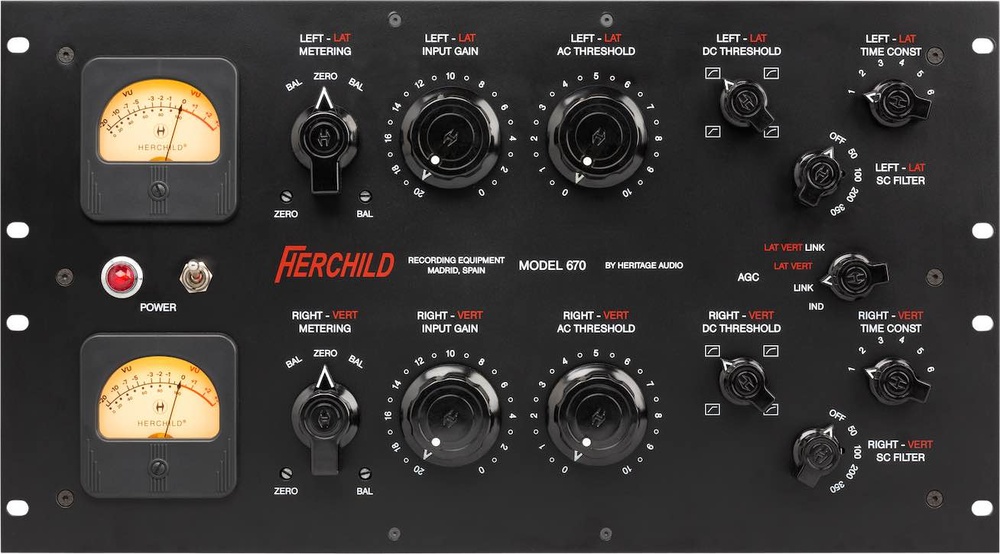
TUBE/Vari-Mu (Fairchild 670):
Main Characteristics: Slower, “Glue”, Warmth, Tone,
Great For: Grouped tracks, full mix.
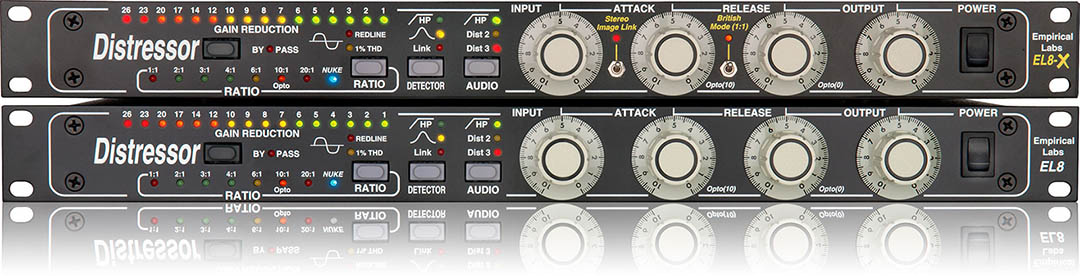
VCA (SSL, Distressor, API, 160):
Main Characteristics: Versatile, Tone, Transparent to Very Heavy with attitude.
Great For: Most applications, creating aggressive punch, Parallel compression
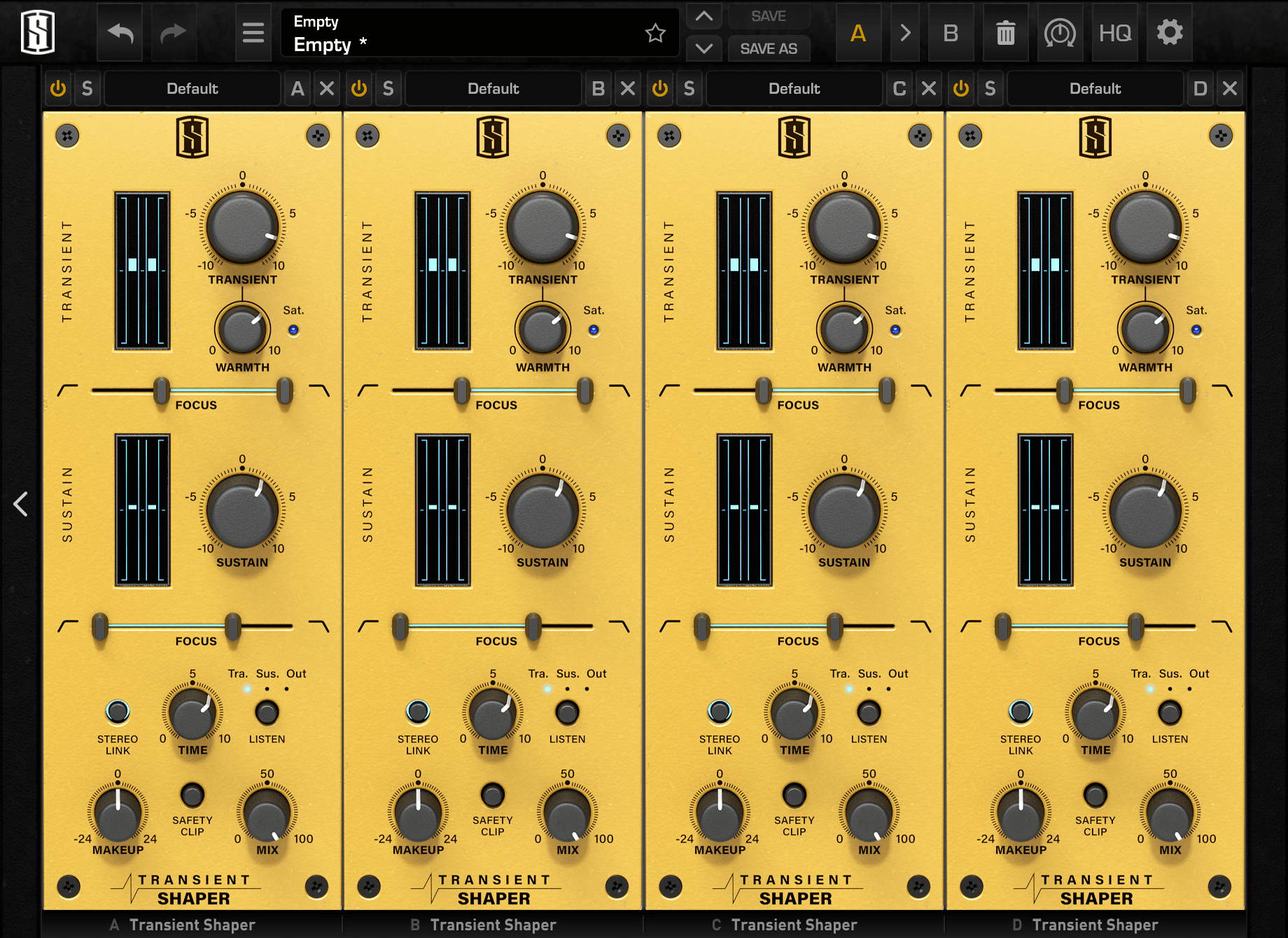
Transient Shapers (Slate Transient Shaper, NI Transient Master):
Main Characteristics: Targeted shaping of transients. Impact, Snap
Great For: Drum tracks.
But, I’m sure you want to hear for yourself how all these different types of compression sound. Check out the video below where Michael from In The Mix demonstrates in a very clear and easy-to-digest fashion.
Remember – RouteNote Create subscriptions start from as little as $2.99. You also get 10 FREE credits to spend on samples along with access to our FREE sample pack bundle when you sign-up!