
7 Things NOT to Overlook when Beatmaking
Creating a memorable beat that bangs requires attention to both the big picture and the small details. Every element plays a role in how a track comes together. In this post, we’ll highlight seven essential aspects of beatmaking that producers often overlook….but shouldn’t.
1. Intro Impact

This first one’s crucial. You often have only a few seconds to grab a listener’s attention, so crafting a compelling intro to your beat is essential. The great thing about intros is literally anything goes, giving you a massive amount of creative freedom.
Your intro doesn’t even have to mirror the main beat; it could be a dramatic riser, an epic fanfare, a quirky piece of dialogue, or a powerful drum fill. Think out of the box as the more unusual and interesting the intro, the more you are likely to stop someone in their listening tracks. Whether it’s an artist hunting for beats or a casual listener scrolling for something fresh, your intro is your chance to make them pay attention.
2. Identifying the Star of the Show

So what exactly does this mean – “Star of the show”? Well, most beats will have something that will pique your interest. A USP or unique selling point. It could be an interesting rhythmic vocalisation or a catchy horn loop. Think about the famous horn screech in House of Pain’s “Jump Around”, or the drone effect used in The Prodigy’s Firestarter. This is the element that you should emphasise the most. Make sure it is prominent in the mix and your track is arranged in a way that utilises the USP element to its fullest.
And if you feel as though your beat is lacking a star performer, then try to find something to fit the bill. It could be an interesting sample chop or maybe a strong, compelling melodic line. And if you find yourself struggling in your search, then head over to Routenote Create, where we have an awesome selection of inspiring samples perfect for intro creation.
3. Variety

The next thing to consider when crafting your beat is can you maintain the listener’s attention? Keeping a listener engaged is one of the biggest challenges when crafting a beat, especially if you rely heavily on loops. One way to maintain interest is by deconstructing loops into separate stems and rearranging them. This is now possible through stem separating tools and opens up endless possibilities for fresh patterns and arrangements. Drum arrangements are another great tool for adding variety; dropouts, fills, and rolls can inject energy and keep the rhythm dynamic. Don’t be afraid to experiment with subtle—or even bold—variations in your drum patterns to avoid repetition.
For sample-based producers, using construction kits or isolated stems can be helpful. They provide different isolated elements and arrangement options, giving you more room to experiment.
Once your main structure is in place, layering effects like risers, atmospheric textures, Sci-Fi sounds or foley recordings can bring your beat to life. The goal is to maintain interest without overwhelming the listener or vocalist. Adding just the right amount of thoughtful variation will keep them engaged and wanting more.
4. A Strong Hook

Hooks are often the part of a song that listeners remember the most. They give a track its identity and direction. Even if a rapper or singer provides the vocal hook, as a beatmaker, you still play a crucial role in supporting it. So, when arranging your beat, think carefully about where the chorus lands and how to make it stand out. You can achieve this through added textures, extra melodies or counter-melodies, changing the drum pattern, or even creative touches like scratching. The possibilities are endless.
If you’re feeling ambitious, consider crafting a hook yourself, whether through a sampled or recorded vocal or a bold melodic idea. For beatmakers selling to artists, this approach can make your tracks more appealing, giving potential collaborators a clear vision of the finished song and helping your beats stand out in a crowded market.
5. Space for Vocals

While variety and creative elements are important in a beat, it’s crucial to remember that the vocalist is usually the star of the show and, as such, will need space to shine. Let’s face it, a beat’s primary role is to support and enhance a vocal performance, not compete with it. Striking the right balance means making your track engaging enough to grab an artist’s or listener’s attention while avoiding musical clutter that distracts from the voice.
Be mindful of potential pitfalls: avoid stacking too many instrument layers, which can create a dense, hard-to-penetrate backing track. Keep melodic progressions relatively simple and predictable to prevent overwhelming or confusing the vocal line. Steer clear of overly complex samples with endless instrumental noodling, and ensure dominant melodic elements don’t occupy the same frequency range as the singer. If a sound is clashing with the vocal, subtle EQ adjustments can carve out space and reduce interference.
By keeping these considerations in mind, your beats will give vocalists the freedom to realise their vision while maintaining a polished, balanced, and engaging production that highlights both the instrumental and vocal elements.
6. Controlled Levels
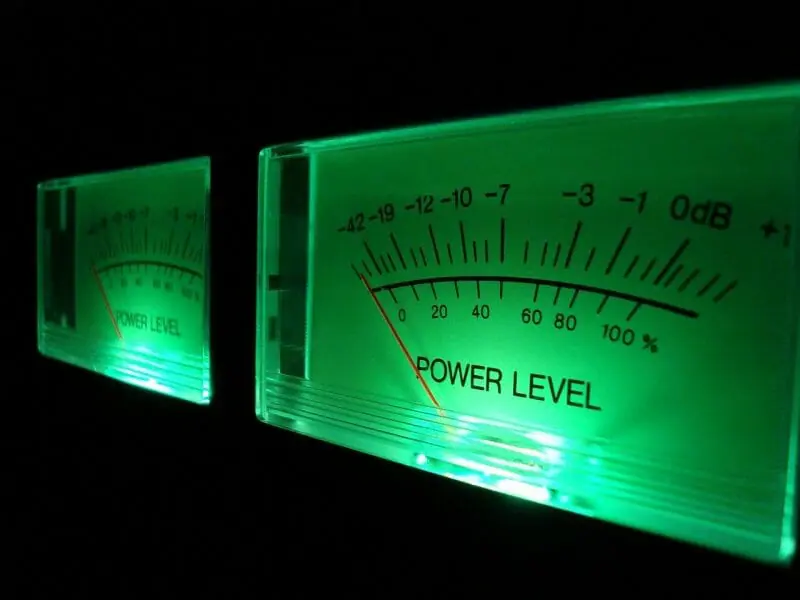
No matter how creative or banging your beat is, poor gain staging and mastering can undermine and negatively impact the final product. It’s therefore vital that you don’t overlook the principles of proper level management. It will help to ensure that every element of your beat sits clearly in the mix, giving your track clarity, punch, and that essential professional polish. From the start, aim to leave headroom on each track and the master bus. This prevents clipping and allows room for mastering or further processing.
Pay attention to how the low-end interacts, especially the kick and bass, as muddiness in this range can sap energy from a beat. Consider using sidechain compression to make space dynamically. Use EQ and compression thoughtfully to balance instruments, control dynamics, and avoid frequency masking that can drown out important elements. Even subtle adjustments can make a big difference in the overall feel of your track.
Once your mix is balanced, setting the correct mastering level is crucial for distribution. For streaming platforms like Spotify, Apple Music, and YouTube, aim for around -14 LUFS integrated to ensure consistent loudness without over-compression. For digital downloads, slightly louder levels around -10 to -12 LUFS are acceptable. If you’re selling beats, keeping them around -12 to -14 LUFS is recommended. loud enough to feel professional, but still leaving headroom so artists can add vocals or other elements without issues.
7. File Organisation & Backups

Finally, a subject that you might not consider to be as crucial, but a good file organisation and backup routine is something you should not overlook. Just ask someone who has just spent hours trying to locate a missing session folder or whose hard drive has just died.
So, spend some time organising a folder structure so when you are working on beats or projects, you designate and save your sessions in the correct place. As every beatmaker works differently, your saving and file structure should be very specific to the music you make. Think about creating a system where you separate sessions, stems, samples, exports, and reference mixes. And in order for any system to function efficiently, also consider devising a naming convention for your beats and sessions. Giving sessions names like “New Beat”, “Trap Beat” or “Beat1” is asking for trouble. Aim for a consistent naming convention, such as including BPM, key, and version numbers make it much easier to locate and revisit projects later.
Backing up your work is equally essential. Hard drives fail, software crashes, and files can get accidentally deleted, so always keep at least two backups. We would recommend at least having one local (on an external drive) and one in the cloud. Services like Google Drive, Dropbox, or dedicated backup tools can give you peace of mind that your hard work is safe.
Keeping your sessions and samples organised and backing up regularly will save you hours of frustration. It also ensures that when a client requests stems or edits, you can access everything quickly and confidently. A disciplined approach to file management is the mark of a truly professional producer.
And if you are looking for Beats or Samples for your next project then RouteNote Create has you covered. sign-up now and take your music to the next level