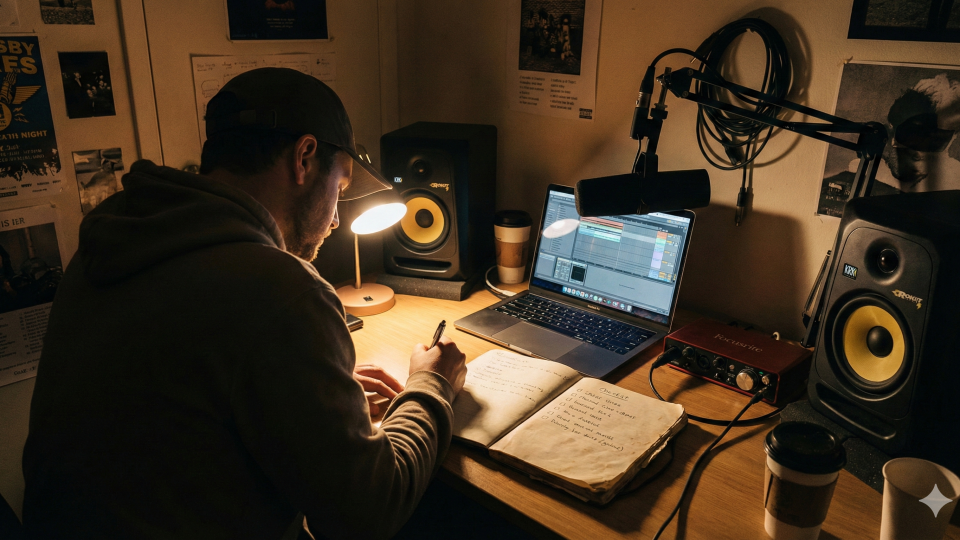
Beat Selection Checklist – Ten things to consider when choosing a beat
With thousands of instrumentals available online, selecting the perfect beat can feel like a daunting task. It’s easy to get overwhelmed or rush into a decision based purely on first impressions. Before you commit to purchasing a backing track, use this checklist to make sure the beat you choose supports your artistry, protects your rights, and positions your release for success
1. Does the beat provide space for your vocal?
A great beat should enhance your voice and not compete with it. Listen closely to the mix. Is it overly complex or cluttered? Dense melodies, busy drum patterns, or heavy mid-range instrumentation can clash with vocals, especially in the 1kHz–5kHz range where the vocal clarity lives. Some beats can also be heavily compressed and already mastered, leaving no dynamic space for a vocal.
Pay attention to how the instrumental feels when you imagine your vocal on top. A well-balanced beat will leave subtle gaps in frequency and rhythm, giving artists space to deliver clean performances without fighting the instrumental.
2. Are there any uncleared samples in it?

As a staple in music production, sampling can inject both a rich character and retro chic into a track. Uncleared samples, however, can cause serious legal and distribution issues. Listen for elements that sound lifted from old soul records, jazz grooves, or vintage vinyl, especially if they feel too authentic or difficult to recreate digitally.
Ask yourself: Does it sound like a direct recording rather than a recreated instrument? Don’t hesitate to ask the producer for clarification. If samples are used, are they royalty-free original compositions? While old samples can sound fantastic, an uncleared example can result in takedowns, withheld royalties, or legal claims.
3. Are there any restrictive terms in the license?
Not all licenses are created equal. Before purchasing a beat, carefully review the terms. Does the license align with your release plans? Some agreements cap the number of streams, downloads, or music video views before additional fees or royalties apply.
If you plan on pitching to labels, distributing widely, or investing in marketing, make sure the license supports scalability. Understanding whether you’re buying a basic lease, premium lease, or exclusive rights ensures you avoid surprises once your song gains traction.
For restriction-free blanket licenses designed to support your release without limitations, explore the Beat Store on RouteNote Create.
4. Does the arrangement align with your vision?

Even the best-sounding beat won’t work if the structure doesn’t fit your songwriting style. Check whether the instrumental has a clear intro, verses, hooks, bridges, and outros. As well as the defined song sections, ask yourself if there’s enough variation to keep listeners engaged?
Consider how your vocal arrangement will interact with the beat’s structure. Will you need to extend a verse? Remove a section? A beat that naturally complements your creative vision saves time and keeps your writing process fluid.
Rearrangement, however, is still possible, but will require the use of a DAW and the know-how to use it. If you are looking for even more control over your song arrangement and structure, look for producers who provide stems.
5. Is It AI-generated or the work of a living, breathing beatmaker?
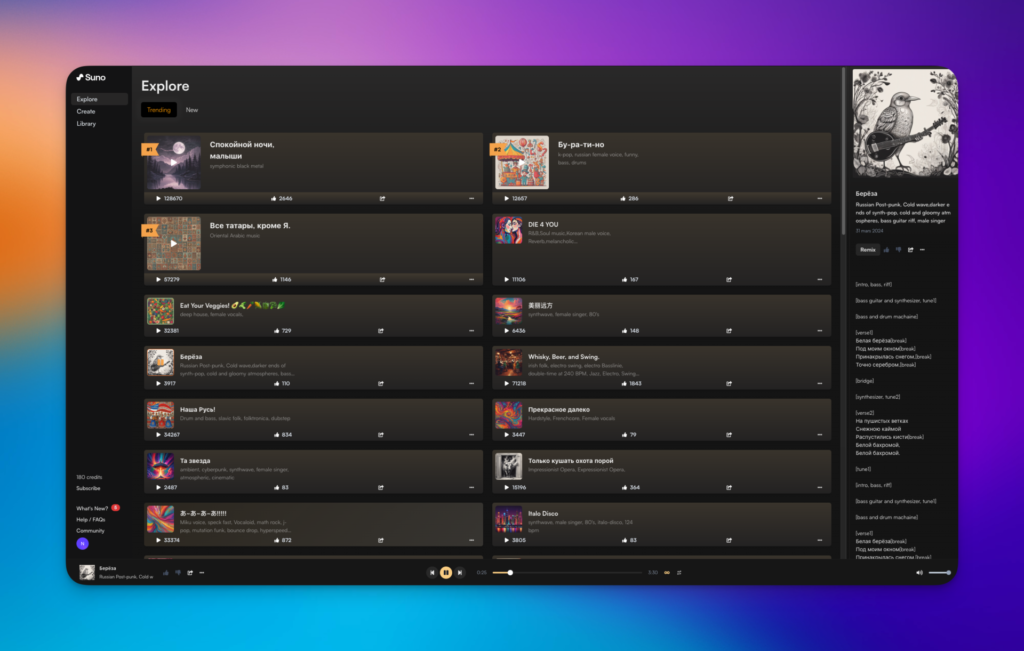
With the rise of AI-generated music, it’s important to know what you’re buying. Some streaming platforms are actively scrutinising and even choking the visibility of AI content. Add to this the public perception around fully AI-created music, which can be mixed.
Is the beat you are purchasing fully AI-generated, partially AI-assisted (such as using AI samples), or entirely human-made? Transparency matters. There are now some AI detection tools for analysing music, if you’re unsure. Just be wary that results are not conclusive and should be used as a guide only. Understanding the origin of the beat protects your artist brand identity and ensures you’re comfortable with how the music was created.
6. Is it a trending or timeless beat?
When selecting a beat, ask yourself, are you chasing the latest sound dominating playlists, or aiming for something that has a more timeless quality? Trend-driven beats can help you tap into current momentum, but they may become dated quickly. Timeless instrumentals, on the other hand, offer longevity and replay value.
Think about your long-term artistic vision. The best choice isn’t necessarily what’s hot right now; it’s what authentically supports your sound and career trajectory.
7. Is it affordable?

As an artist, you may not want to put financial considerations above creative ones, but budget matters. Whether you’re purchasing a basic lease or exclusive rights, make sure the cost aligns with your financial means and plans. Ask yourself: Will potential streaming and music sales revenue, sync placements, or performance income justify the expense?
Exclusive rights offer more control but come at a higher price. If you’re testing a sound or experimenting, a non-exclusive license may be sufficient. It may not be sexy, but treat beat purchases like business investments. Evaluate the future return potential against the upfront cost.
8. Will it appeal to your fan base?
If you have built an audience, they follow you for a reason. Does this beat match the quality and musical style your fans expect? While growth and experimentation are important, drastic stylistic shifts can confuse and even alienate listeners if not introduced strategically.
Consider your demographic. Is the instrumental aligned with what your core audience streams and shares? A beat that resonates with your fan base increases engagement, saves, and repeat listens. These are critical factors in today’s streaming-driven landscape and will help your reach as an artist.
9. Is the beat from a legitimate source?
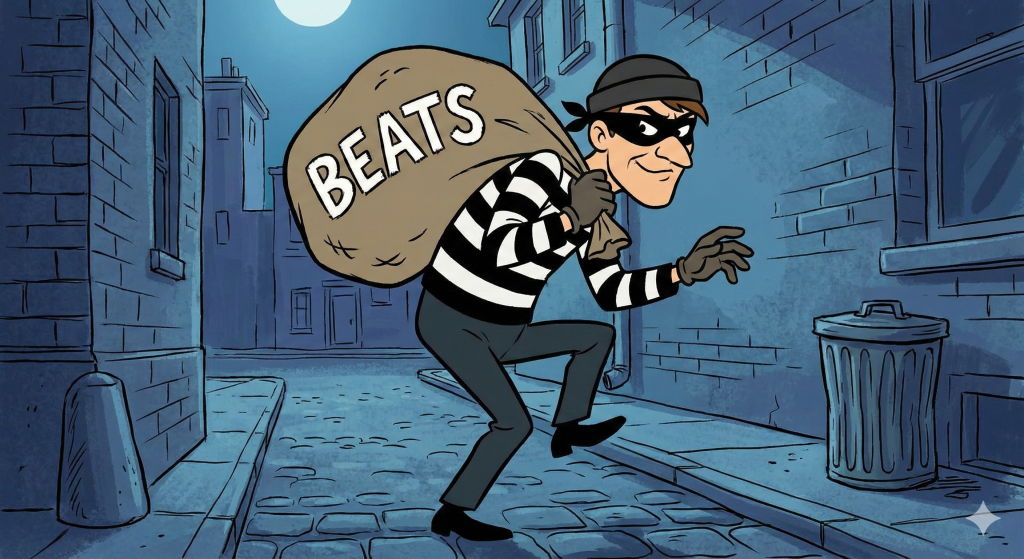
Always verify the credibility of the platform or producer. If a deal seems too good to be true, then it probably is. Free downloads, suspiciously cheap exclusives, or unmoderated marketplaces can carry risks. These risks can come back to bite you if a digital distributor asks for license evidence for your backing track.
It is not unheard of for beats to be stolen or resold without permission. Check the producer’s track record, reviews, and social presence. Purchasing from a legitimate source protects you from copyright disputes and ensures you’re supporting authentic creators.
10. Would you listen to a track using this beat?
And finally, this might be the most important question of all. Beyond strategy and legalities, do you genuinely love the beat? Is it something you would play on repeat?
Remember, you’ll spend hours writing, recording, and mixing over this instrumental. If it starts to feel repetitive or uninspiring during the creative process, that energy will show in the final product. Choose a beat that excites and talks to you, because that enthusiasm will translate directly into performance.
And if you are looking for Beats for your next project that tick all of the above boxes then RouteNote Create has you covered. sign-up now and take your music to the next level