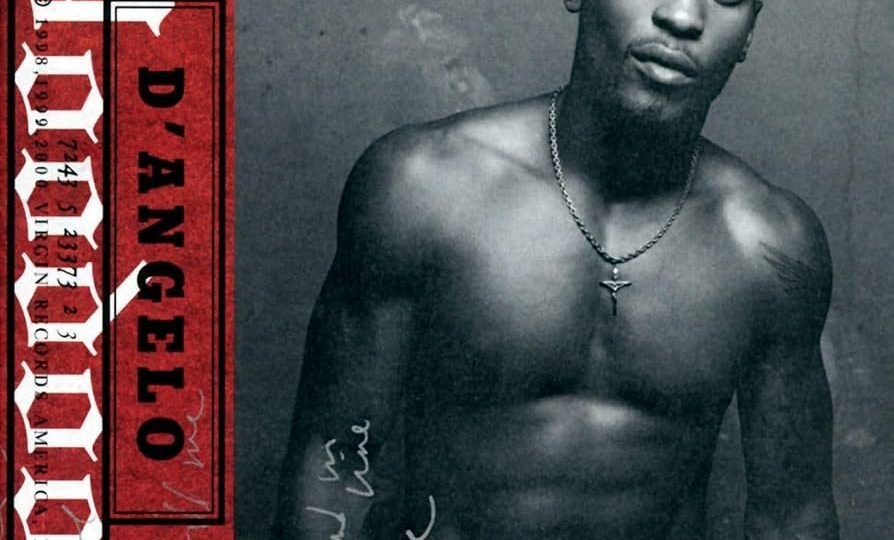
D’Angelo’s Voodoo LP: Neo-Souls GAOAT (Greatest Album of all Time)?
With the recent sad and untimely passing of RnB legend and Neo-Soul architect D’Angelo, we felt it would be appropriate to take a deeper look at what many consider to be the greatest Neo Soul album of all time. His 2000 masterpiece Voodoo.
D’Angelo – The Man
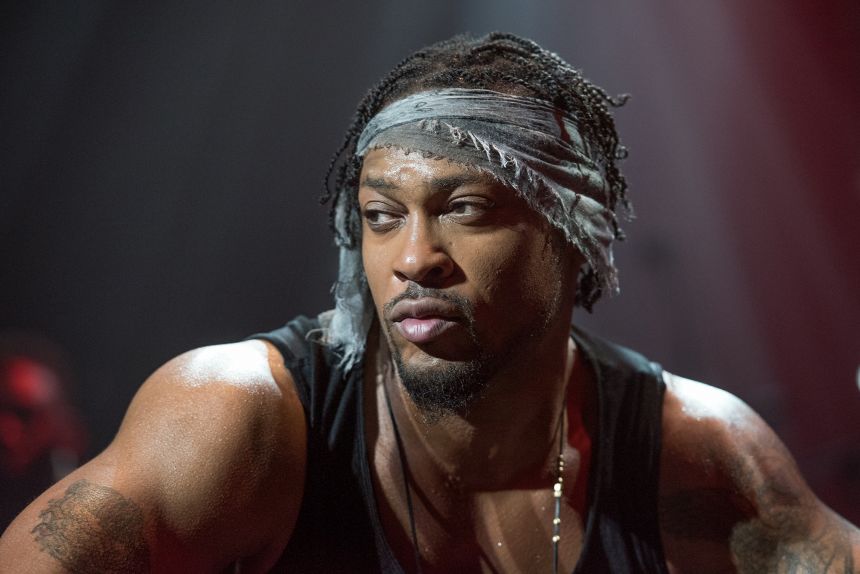
D’Angelo, born Michael Eugene Archer on February 11, 1974, in Richmond, Virginia, was considered to be one of the greatest voices in RnB, in particular it’s Neo-Soul offshoot. A hugely creative and talented artist, he was more than just a vocalist. He was a visionary that not only conceived and wrote all of his own music but also, like his hero Prince, was a multi instrumentalist, capable of playing piano, drums, guitar, keyboards, and bass.
While blessed with immense talent, this was often viewed as a double-edged sword, as he was notoriously self-critical and a relentless perfectionist. A curse that maybe explains his sporadic release schedule, completing just three studio albums throughout his career—Brown Sugar, Voodoo, and Black Messiah spanning 19 years.
With his passing on October 14, 2025, D’Angelo leaves behind a legacy that will undoubtably continue to resonate deeply. He possessed a rare blend of genius, vulnerability, and creativity, all expressed through a soulfulness that continues to influence and inspire musicians and listeners alike.
The players
While D’Angelo released three albums over his career it is his second offering – Voodoo – that is widely considered to be his magnum opus. And while it dropped 5 years after his debut LP Brown Sugar, the sound was distinctly different. Brown Sugar fitted a more traditional 90’s RnB format, complete with programmed drum’s and a polished smooth instrumental pallet. Voodoo on the other hand was more organic and as such felt more cohesive.
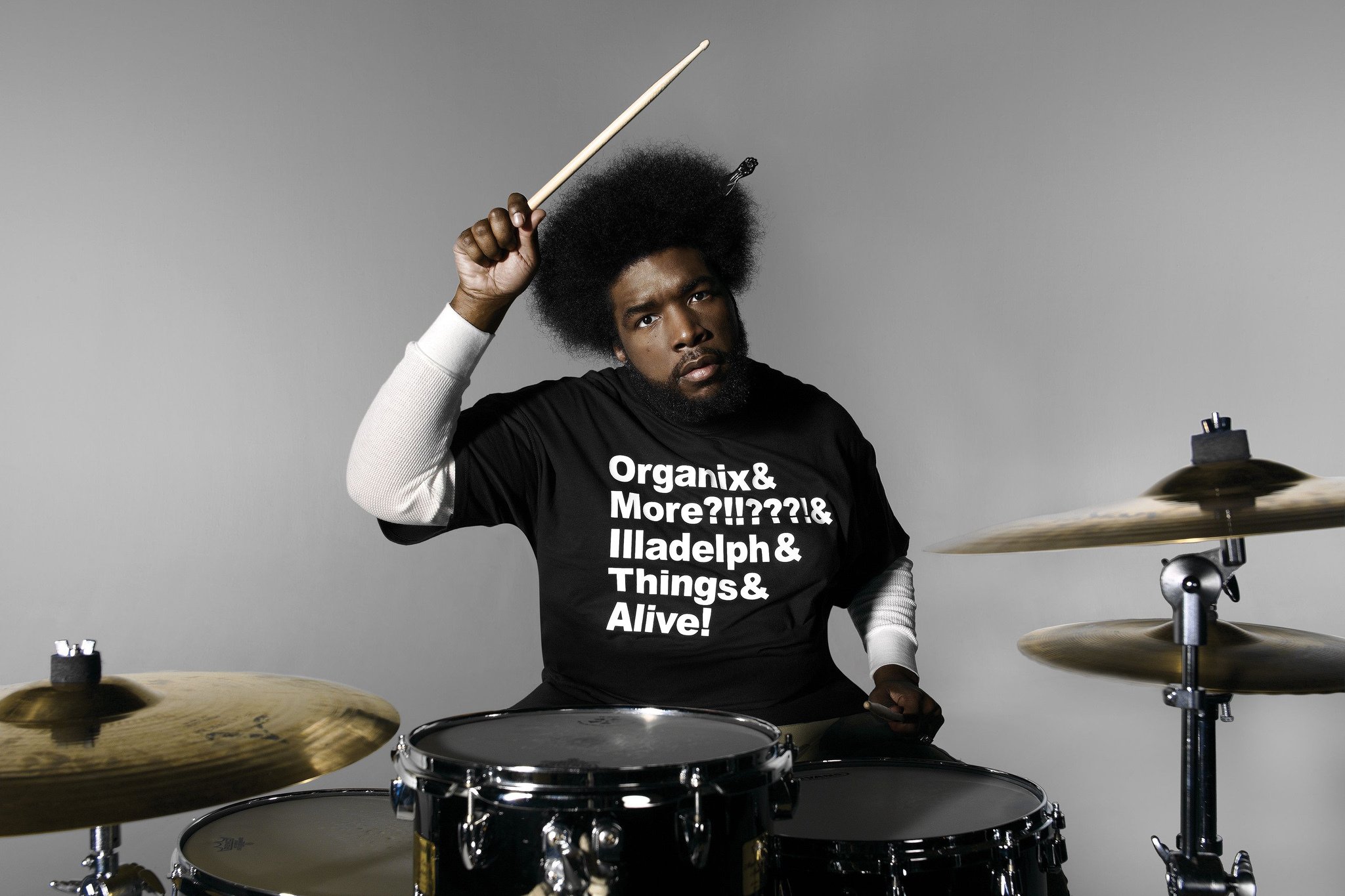
D’Angelo had recruited a band of musicians lead by drummer Questlove, that he hoped would realise his vision. As well as Questlove leading the rhythmic charge D’Angelo had also formed a close kinship with hip-hop producer J Dilla. The two shared a mutual respect for each other’s musicality: D’Angelo admired Dilla’s unique sense of groove, while Dilla respected D’Angelo’s musicianship and soulful vision. It was Dilla’s highly original, almost drunken sounding drum programming that would inspire Questloves live drumming on Voodoo and form the template for its rhythmic structures. Something that Questlove admits was initially a struggle.
Other key musicians that played on Voodoo and are integral to its sound include James Poyser (Keyboards) Charlie Hunter (Guitar and Bass) and Pino Palladino (Bass). As D’angelo was an accomplished multi instrumentalist he was known to feed melodic ideas to these musicians who would then reinterpret them, adding there own highly attuned funkiness.
Most of the songs on Voodoo were the result of informal relaxed and often improvised jamming sessions. This approach gave the album its less traditionally structured and free flowing sound. Many of the musicians involved in these legendary sessions recall this process as being one of the most enlightening and fulfilling musical experiences of their careers. This joyful process certainly comes through in albums 13 tracks.
This album also became a pinnacle moment in the formation of The Soulquarians. A very loosely based band of artists, producers and musicians that all shared a musical vision. This vision was one of an organic, deep soulfulness, heavily inspired by groove. Key members of the Soulquarians include Questlove, J Dilla, Q-Tip, Common, Erykah Badu, Jill Scott, James Poyser and of course D’Angelo himself.
Electric Lady Studios: The Recording
Another thing that tied the Soulquarians together was the place they did most of their recording. The spiritual home of Jimi Hendrix, Manhattan based Electric Lady Studios. Hendrix, along with Prince, Sly Stone and James Brown were huge musical influences on D’Angelo so this was a natural choice. A deeply spiritual artist D’angelo claimed in interviews that he was channelling the spirit of Jimi by using his old recording facility. Either way, there must have been some kind of magic in the air.
To add to the authenticity and realness of this facility the main control room even housed the original console that Hendrix recorded much of his material on. Over the same period as the Voodoo sessions (98-99) other notable projects were being worked on such as Common’s Like Water for Chocolate (2000) and Erykah Badu’s Mama’s Gun (2000) The free flowing and casual nature of these sessions meant there was plenty of cross pollination with artist’s, producers and musicians contributing to each others projects. This community approach is what was thought to have contributed to the whole Soulquarians collective with Electric Lady being the movements hub.

The Sound of Voodoo
While Voodoo has a very coherent sound it is made up of a variety of musical flavours. The album kicks off with a slowly building and largely free form track called “Playa Playa” that is more of a jammed groove than a structured song. When the soulful brass arrangement kicks in, courtesy of horns man Roy Hargrove, the scene is set.
The next track, Devils Pie, is perhaps the most out of place song on the album. This is largely due to it’s production which is courtesy of legendary underground hip-hop producer DJ Premier. Unlike the other tracks that all feature live musicianship, Devils Pie is a stripped down sample based affair that centres around a killer bassline over hard programmed drums. Despite it’s different production approach it still manages to sit well within the album and provides a level of hip-hop authenticity. And keeping in a hip-hop vein the next track, Left & Right includes guest features from 90’s rap royalty: Redman and Method Man.
After this fairly varied start the rest of the album settles into a groove with it’s talented ensemble of musicians effortlessly lurching from one soulful jam into another. While Questloves loose and ever so imperfect drumming drives the tracks, rhythmically it is perfectly enhanced by Pino’s highly melodic basslines that help both subtly push and pull the grooves. Add to this Charlie Hunters inspired guitar work and James Poyser’s god-like rhodes and Organ playing and you have the perfect combination of soul, jazz and funk. A music bed that D’Angelo seems so at home on, effortlessly delivering lines that perfectly enhance the tracks, his vocals almost becoming another instrument.
Tempo wise the album is very much a slow and low affair with tempos ranging from 70bpm to around 90bpm. A stand out exception to this is “Spanish Joint“. With a strong Jazz Dance leaning It features a percussive uptempo syncopated drum track, killer Pino Bassline and sublime Guitar that perfectly compliments the jazzy horn section. The result is infectiously groovy and one of the few real floor fillers on the album.
On the other side of the tempo scale, Untitled (How Doe’s it Feel) is a straight up ballad and seen by many as the stand out track on Voodoo (if Spotify streams are anything to go by) Like many of the tracks on Voodoo it has a distinctly Prince inspired flavour featuring bold electric guitar melodic lines combined with a beautiful piano accompaniment. But it was prehaps the video to Untitled that helped to boost its iconic status. It was controversial at the time due in no small part to a very ripped solo D’angelo appearing in the nude. Despite the controversy it certainly helped to secure D’Angelo’s eye candy status as well as his soulful artistry.

Musicianship and song writing aside, the other thing that helps to give Voodoo it’s cohesive appeal is the sonic quality. Exquisitely recorded using predominantly analogue equipment and techniques, recording engineer Russell Elevado oversaw the entire project. Going against the grain at the time there is very little in the way of reverb or additional processing. The sound is therefore warm yet dry which helps it to punch through your speakers in a way that sounds intimate and personal. Where possible it was recorded in a traditional way with minimal overdubs, mostly recorded as entire takes with no overdubs. This provided a coherency in both the musical playing and sonics with the inevitable mic bleed becoming a strong characteristic.
Voodoo’s Musical Legacy
D’Angelo’s Voodoo stands as one of the most influential and era-defining albums in contemporary music. It is seen as a record that helped spawn the neo-soul movement as well as expand the boundaries of R&B. Its organic, live-in-the-room feel rejected the polished heavily programmed or sample heavy production of late-’90s R&B, giving rise instead to a deeply human, unquantized groove that felt both old and new.
While the album was pivotal in the birth of the Soulquarians helping to steer the direction of fellow members such as Erykah Badu, Common, and The Roots, it also forged the way for future stars such as such as Frank Ocean, Anderson .Paak, and H.E.R. They have all have cited Voodoo as a huge inspiration.
When D’Angelo returned nearly fifteen years later with the highly anticipated Black Messiah (2014), the echoes of Voodoo were unmistakable. Black Messiah helped carry forward his legacy of innovation. It was politically charged, musically daring, and spiritually rich helping to cement D’Angelo’s place as one of the most important and inspiring figures in modern soul and RnB music.
And if you are looking for Beats or Samples for your next project then RouteNote Create has you covered. sign-up now and take your music to the next level