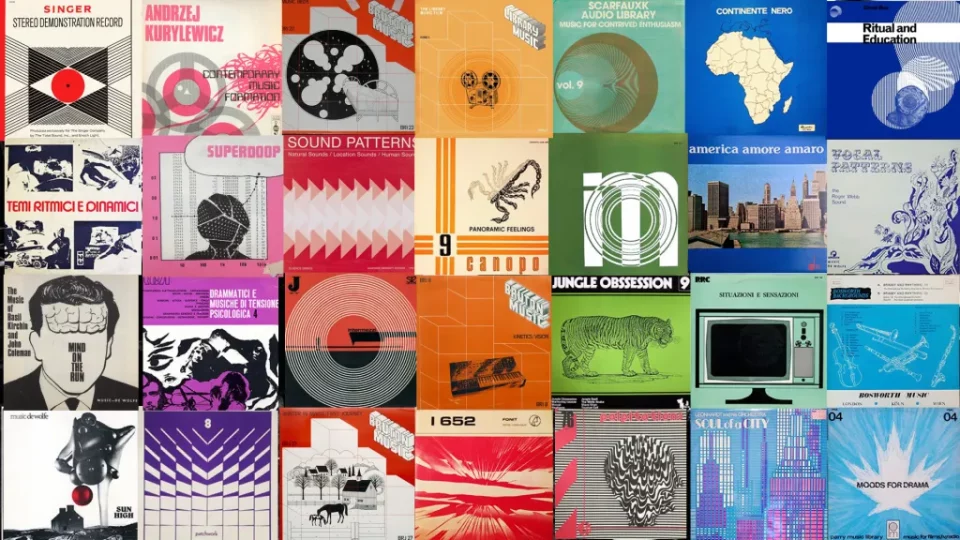
What is Library Music?
Introduction
You may have heard the term Library Music before, but what exactly does it mean? Despite the name, it’s not the kind of quiet, ambient music you’d expect to hear in a library. In fact, the term comes from the music libraries these tracks belong to.
Library music (also known as production music) isn’t created for direct public release like a typical album or single release. Instead, they were composed, recorded, and catalogued for easy licensing, providing film producers and editors with ready-made scores for almost any mood or situation.
Yet beyond the functional role of library music, these recordings form one of the most intriguing side notes in modern musical history. From psychedelic funk to haunting orchestral themes, library music has shaped the sound of popular media for decades, often without us even realising it.
The Birth of Library Music

The origins of library music can be traced back to the mid-20th century, when the growing demand for broadcast content through the popularisation of television collided with limited production budgets. Film and television producers needed affordable, adaptable soundtracks. The sort of musical themes that could instantly conjure a mood without the cost of hiring composers or orchestras for every project.
Enter the music library. Despite the explosion of library music around the 1960s Library music companies had been around for some time. The very first library music company was a British company established in 1909 called De Wolfe Music. They identified a demand for music for film as they transitioned to “talkies”. By 1927, they had developed the first recorded library specifically for film, with music organised by genre and mood to be licensed by filmmakers.
De Wolfe Music were soon joined by other companies such as Boosey & Hawkes, KPM, and Chappell who each produced extensive catalogues of original recordings that could be licensed on demand. Each release was carefully categorised with themes such as “light tension”, “pastoral”, “modern Industry”, allowing editors to find precisely the tone they needed to accompany their films. And library music was not only used to sync to visuals. Radio stations and advertisers took full advantage of these tailor-made resources.
This system revolutionised the way music was used in media. It gave smaller studios, film companies and broadcasters the same sonic quality as major networks. And while the composers often went uncredited, these sessions quietly produced some of the most inventive and enduring sounds in post-war popular culture.

How Library Music Was Made
Behind the anonymity of those often generic sleeves and typewritten cue sheets was a hive of creative energy. Library music was typically produced fast and efficiently. Sometimes entire albums were written, arranged, and recorded in a matter of days. But don’t be fooled, the speed of the recording didn’t equal mediocrity. Quite the opposite: these records were often performed by top-tier session musicians and innovative composers at the peak of their craft. Time was money, so there was no room for impostors.

Figures like Alan Hawkshaw, Keith Mansfield, and Brian Bennett were musical geniuses and could cover the full range of musical idioms. They would stay abreast of contemporary musical trends, interpreting the sounds of the day in unique and original ways. From tight, punchy instrumentals that fused jazz, funk, and orchestral pop into something uniquely cinematic. These sessions were often recorded in top studios, ensuring the sound quality of these records was immaculate.

Because the goal was versatility, the compositions tended to be bold and highly evocative. Each track had a brief to stick to and you would have to communicate that particular mood or emotion in seconds. Be it suspense, swagger, serenity or slapstick, the result was music that was both instantly functional and strangely timeless.
The Golden Age of Library Music: Late 60s–Early 1980s
By the late 1960s, the world of library music was thriving. Vinyl LPs were distributed directly to broadcasters across the globe. Other countries also had their own Library companies. France and Italy were particularly productive with labels such as TeleMusic (France) and IM Music (Italy) proving popular. For some reason the U.S did not jump on the library bandwagon during this time, possibly due to the well-established Hollywood system and traditions.
This era produced some of the most distinctive sounds in British television history. The KPM 1000 Series in particular, with its iconic bright green sleeves, became synonymous with punchy brass, dramatic strings, and funky rhythm sections. Music from this catalogue can be heard everywhere, from the iconic theme to mastermind (Neil Richardsons – Approaching Menace) to the Dave Allen Show theme music (Alan Hawkshaw – Studio 69)
Nothing was spared from the touch of library music with children’s TV, news intros, and even public information films all plundering their deep reserves. And although these scores were originally conceived as background material, they would slowly seep into our collective memory, shaping the texture of late-20th-century broadcast sound. Library music was the sound of everyday life, functional, familiar, yet strangely fantastic.
The Changing Role of Library Music: 1990s–2000s
By the 1990s, the media landscape was going through a dramatic change. The arrival of digital technology, cable television, and later the internet began to erode the old model of broadcast licensing. Production companies wanted instant access, digital files, and flexible usage rights. For example, in advertising, there was a growing trend towards licensing popular tracks that people knew and could directly relate to. Or independent composers were commissioned to produce sound-a-likes.
Traditional libraries that were reliant on vinyl catalogues and mailed cue sheets were forced to adapt or disappear. Many library companies and catalogues were absorbed by major publishers while others wound down their operations.
Due to the availability of new recording and compositional tools a new generation of composers began experimenting with hybrid electronic and orchestral sounds to match the evolving needs of film, advertising, and the newly emerging video games sector.
The New Age of Licensing
As the boundaries between amateur and professional media blur, both licensing models and music libraries have evolved to keep pace. The traditional world of tightly controlled broadcast rights and specialist production libraries still serves major broadcasters and media outlets. But for the ever-growing community of online creators and small businesses, a new wave of royalty-free and subscription-based libraries has emerged that makes the process of finding the right musical backing fast, affordable, and accessible from anywhere.
Even major platforms such as YouTube and TikTok now host their own libraries of music and sound effects, freely available for creators to use within their ecosystems. With advanced content recognition systems automatically flagging unlicensed tracks, understanding usage rights has become more crucial than ever.
The original ethos of library music with its emphasis on providing access to professional-quality tracks across every mood and genre, remains firmly in place. What’s changed is the audience: today, anyone with a smartphone and a creative idea can become a broadcaster, and they too can now access the kind of sonic resources once reserved for broadcast professionals.
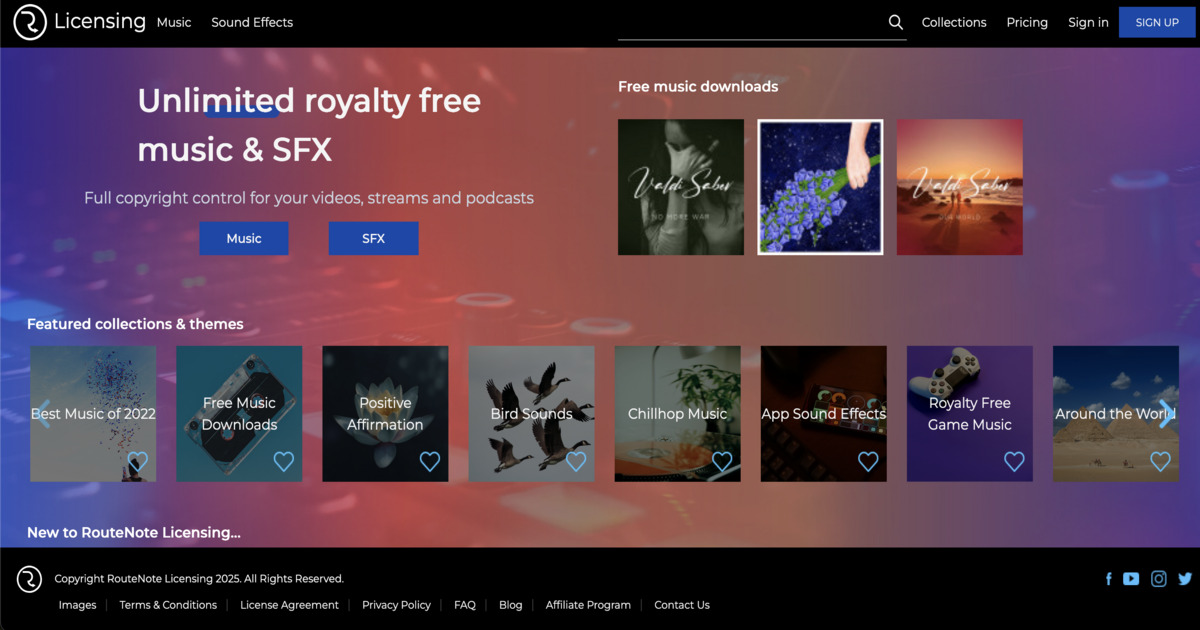
Platforms like RouteNote Licensing continue this legacy, offering flexible, affordable solutions designed for the modern creator. Whether it’s a short-form video, an indie game, or a global campaign, library music remains the most powerful foundation for crafting atmosphere and emotion.
So once again, library music has adapted to meet the needs of its time. Far from fading into obscurity, it has quietly become one of the cornerstones of the creator economy and the soundtrack powering the new media age.
Emerging from the Shadows: The Ultimate Sample Library
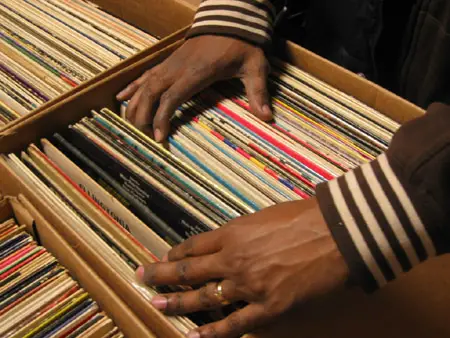
But the story doesn’t end there. While library music continues its quiet, behind-the-scenes role in media and content creation, the rich archives it has built over decades are now experiencing a revival.
Rediscovered in the mid-to-late 1990s by the most dedicated crate-digging hip-hop producers, these oddly titled vinyl obscurities quickly became a coveted resource for those in the know. The very format of library music made it ideal for sample-hungry beatmakers: lush arrangements, unusual instrumentation, and undeniable funkiness provided perfect building blocks for boom-bap hip-hop, as well as emerging offshoots like trip-hop.
For producers such as The Alchemist, Mark B (RIP), and Madlib, these forgotten records were a goldmine. Pressed in small quantities and not sold commercially, library albums offered an almost limitless supply of fresh material untouched by other producers.

Another advantage was the relative ease of clearing samples. By the 1990s, sampling mainstream records often meant steep sample clearance fees and overzealous publishing splits. Library music, however, was created for licensing from the start, making it straightforward to secure the rights. This generally resulted in more reasonable fees with more generous publishing splits.
Fast-forward to today, and the multi-million-dollar royalty-free sample industry continues to carry the torch of the library music tradition, particularly within hip-hop and beat-making circles. Modern sample creators and production companies have embraced the library format, releasing themed collections that evoke the look, sound, and spirit of vintage production music catalogues.
The Kingsway music library is a fine example of this with its retro style KPM-inspired artwork and thematic library esc music samples. Cinematic, textured, and ready to be reimagined by a new generation of producers.
Let’s check out some great examples of library music being reimagined through the lens of sampling…
- Safe 2 Say (The Incredible) – Fat Joe that samples this Italian Library rocker Distortion-Mind – I Mark 4
- The Hard Margin – The Creators feat. Mos Def and Talib Kweli that samples this serious slice of drama Underground Agent – Paul Kass
- F**k the Police – J Dilla that samples this Chappell Library gem Scrabble – René Costy
Retro revival and Library Chic
While hip-hop producers were the first to rediscover the hidden magic of library music, it didn’t stay a secret for long. As word spread through the record-collecting community, those obscure, oddly titled LPs, once traded quietly among collectors, began to command serious attention. With their vast stylistic range spanning psychedelic rock, jazz, funk, and pastoral folk, there was something in those grooves for every kind of listener and collector.
By the early 2000s, certain in-demand titles were fetching hundreds, sometimes thousands, of pounds on the collectors’ market. Record labels soon caught on, issuing compilation albums and reintroducing long-lost gems to new audiences. Perennial favourites like Keith Mansfield’s “Funky Fanfare” became cult classics in their own right, while companies such as KPM and De Wolfe began releasing sought-after gems commercially for the first time ever. Even your favourite music streaming services are lightly to carry numerous Library catalogues. A far cry from when they were just the reserve of directors, producers and programmers.

Classic vintage library tracks have also returned to their natural habitat: film, television, and advertising. If a retro mood or a touch of nostalgia is needed, nothing delivers quite like a slice of 1970s library music. In 2017, this rich legacy was celebrated in the documentary The Library Music Film, which brought together original composers alongside modern admirers such as Fatboy Slim, Cut Chemist, and Mark Rae.

After decades in the shadows, library music has finally stepped into the spotlight. Once the anonymous soundtrack to daily life, it is now recognised and rightly celebrated as important and compelling music in its own right.
And if you are looking for Beats or Samples for your next project then RouteNote Create has you covered. sign-up now and take your music to the next level