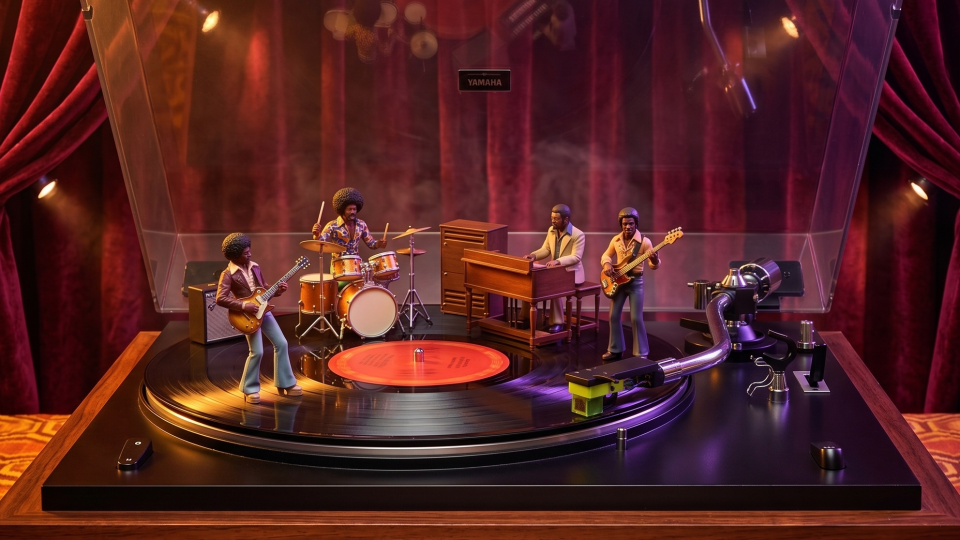
What is an interpolation and how does it differ from sampling?
Sampling has become one of the defining creative techniques in modern music production, but it isn’t the only way to incorporate elements of an existing song into a new composition. You may also have come across the term interpolation. While the two practices are closely related, they differ in both their creative approach and the way they are treated from a copyright perspective. In this guide, we’ll explore what interpolation is, how it differs from sampling, and why it has become an important production technique in its own right.
Definition of an interpolation
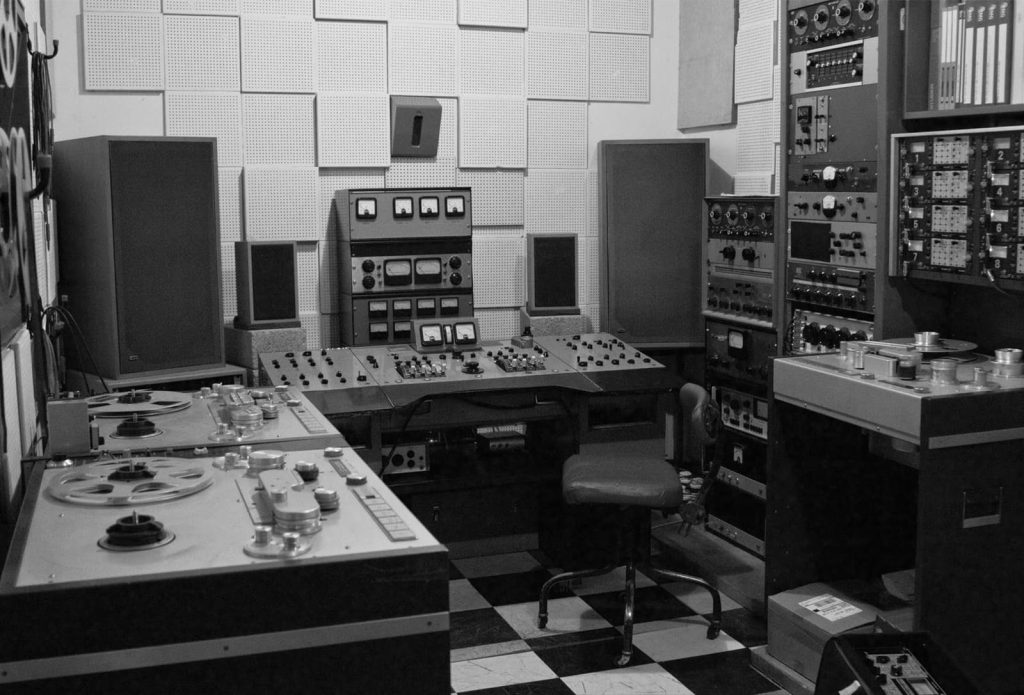
In music production, interpolation is the process of recreating part of an existing song by performing and recording it again. This might involve replaying the whole arrangement or just parts such as a melody, chord progression, bass line, or vocal phrase. Interpolations are generally rerecorded using new instrumentation and performers. In most cases, the goal is to recreate the feel of the original recording as faithfully as possible, often capturing the distinctive sound and character of a particular musical era. This can be particularly challenging when trying to recreate the tape-driven recording characteristics that defined so many records of the 1960s and 1970s.
This distinguishes interpolation from sampling, where a segment of the original recording is copied, or sampled, directly into a new track. Interpolation also differs from a cover version, which is a complete re-recording of a song intended to stand as a work in its own right. Instead, an interpolations purpose is to be incorporated into a new composition. It therefore serves as a creative compositional device rather than the main focus.
While interpolation has become a common creative technique in modern music production the practice of adapting other compositions in a new piece of music is as old as music itself. If you study some of the earliest examples of music such as folk traditions music has always borrowed elements from other songs.
It was the direct and blatant practice of sampling in the late 80’s and 90’s that introduced the idea and concept of interpolation as a term, where a producer would recreate or adapt a sample. Sampling therefore was instrumental in helping to reshape and clarify the law regarding repurposing other peoples songs in a derivative work.
Why producers use interpolations instead of a sample
There are several reasons why producers choose interpolation over sampling. One of the biggest advantages is creative flexibility. An interpolation allows you to capture the essence of an existing track while adapting it to suit your own production. You can change the key, arrangement, instrumentation or even reinterpret certain musical phrases, all while providing a familiarity that listeners can connect with. Even borrowing a short melodic hook or riff can create a powerful sense of recognition and connection.
Interpolation also gives producers complete control over every element of the recording. Yes, stem separation technology does exist now, but you are often unable to cleanly isolate individual instruments. It often struggles to cleanly isolate individual instruments, and the results are rarely comparable to a professionally recorded studio multitrack. By recreating the part from scratch, you have full control over every stem, allowing you to remix, process and edit each instrument without compromising audio quality.
Often the main reason people choose to use an interpolation is to simplify the legal process. If you use a 3rd party sample it has to go through the sample clearance process where the rights to use the recording must be granted…but more on this later.
Challenges and limitations of interpolations
The challenges of interpolation depend largely on what the producer is trying to achieve. In genres such as hip-hop, a sample’s appeal often comes from far more than just the notes being played. The original instrumentation, musicianship, vocal performance and, perhaps most importantly, the character of the recording itself all contribute to its identity. The phrase “dusty samples” is often used to describe the aged, warm and imperfect sound associated with sampling off old vinyl. Accurately capturing and recreating that character can be one of the biggest challenges when producing an interpolation.
Recreating this feel may require skilled session musicians and vocalists, vintage instruments or even recording facilities that will facilitate a classic vintage sound. If you’re arranging for a guide sample to be interpolated by other musicians you’ll need clear communication with the performers to achieve the right groove, dynamics and subtle nuances that made the original so special. Replaying a part on paper may seem straightforward, but convincingly emulating the magic of an early 70s Kool & the Gang recording or the power and emotion of a vocalist like Aretha Franklin is another matter entirely.
Even if you succeed in creating a convincing interpolation, there is still the matter of obtaining permission to use the underlying composition. While this is often more straightforward than clearing a sample, it can still present challenges. For example:
- The songwriter or publisher may simply not want the song associated with your project.
- Multiple songwriters or publishers may own shares of the composition, meaning everyone must agree.
- The copyright owners may ask for a large upfront fee or a significant share of the new song’s publishing.
- They may request changes to the interpolation or reject it altogether.
- Negotiations can take weeks or months, particularly for well-known songs.
Interpolations and the law

The legal aspects of musical interpolation can be complex and vary depending on factors such as the jurisdiction, the nature of the material being used, and the agreements between the parties involved. In simple terms, most commercially released music is protected by two separate copyrights: the copyright in the sound recording (often called the master recording) and the copyright in the underlying musical composition, which covers songwriting elements such as the melody and lyrics.
Unlike sampling, interpolation does not use the original sound recording, so permission for the master recording is not required. However, because an interpolation recreates part of the underlying composition, permission from the relevant songwriters, music publishers or other composition rights holders should be sought before the work is commercially released.
The process can involve negotiations with multiple rights holders, and the outcome may vary from one project to another. There is no single approach that applies in every situation, and copyright laws differ between countries and continue to evolve. It’s important that anyone considering the commercial use of interpolated material should seek guidance from a suitably qualified legal professional where appropriate.
Summary
Interpolation has become a staple in modern music production. While the idea of reinterpreting existing music is nothing new, the rise of sampling culture brought clearer definitions and copyright structures around the practice. It represents an interesting example of how new technology and the emerging genre of Hip-Hop influenced not only the way music is created, but also how copyright law adapts to changing creative practices.
Today, the term interpolation is closely linked with sampling, and whether one approach is more creatively valuable than the other is open to debate. Both techniques offer their own unique advantages and provide producers with more ways to express ideas and connect with existing musical influences. If you have a sample you have always wanted to use but you’re not ready for the complexity or potential expense of sample clearance, creating an interpolation could offer an alternative route.
And if that is the case then our next blog is here to help. In it we will be exploring the process of creating your very own interpolation, presenting a step-by-step guide on how to recreate and transform an original sample source into your very own interpolation.
If you would rather stick to sampling without the hassle of clearance we have you covered. RouteNote Create offers an awesome selection of royalty-free samples and beats for your next big project
Sign-up now and take your music to the next level