To give your sample pack, and therefore your brand or producer alias, the furthest reach – sometimes you need to be selfless. Being selfless in this way will make its way back around to you.…

To give your sample pack, and therefore your brand or producer alias, the furthest reach – sometimes you need to be selfless. Being selfless in this way will make its way back around to you.…
How you sell your sample pack is as important to the pack itself as what’s inside. How well your pack sells depends on how you present it, how you plan to push it on socials,…
Third-party samples are a benchmark of modern music – for electronic music in particular, although samples have made their way into all contemporary genres. Samples can be used at any point in the music production…
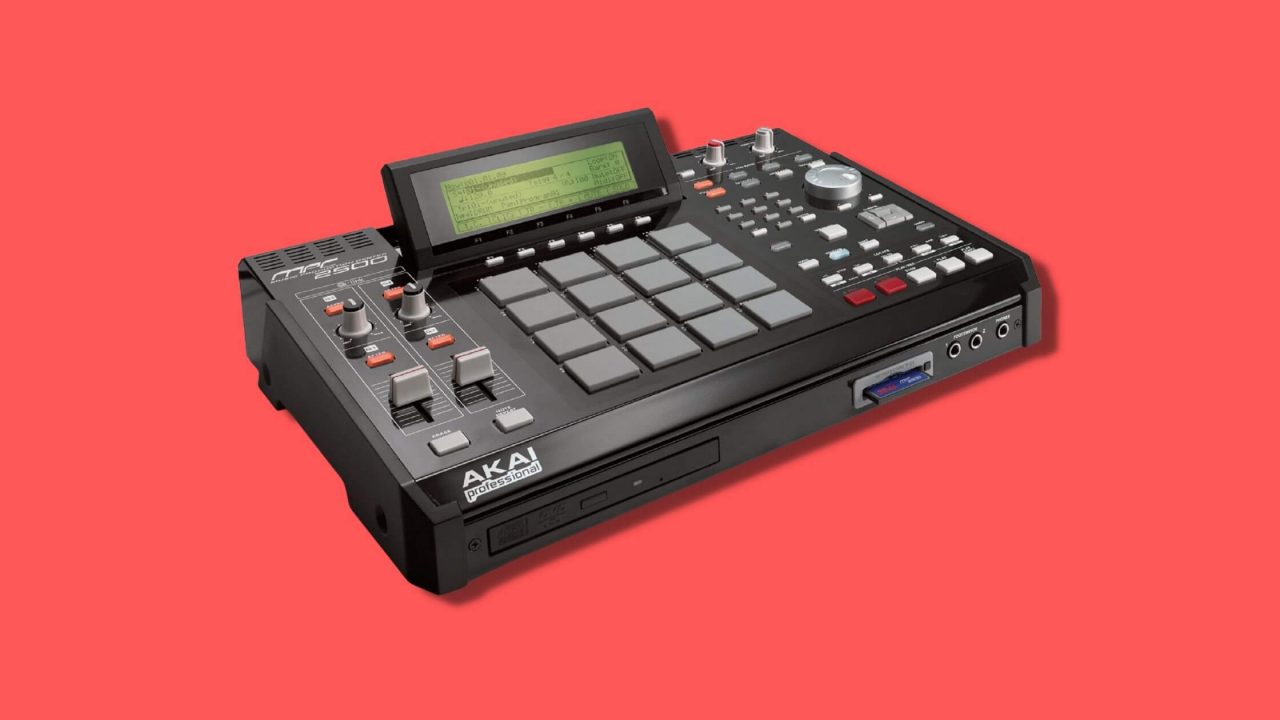
To quote The Jimmy Castor Bunch: what we’re gonna do right here is go back. Way back. Back into time… The earliest traces of sampling music and spoken word goes back to the 1940s. An…
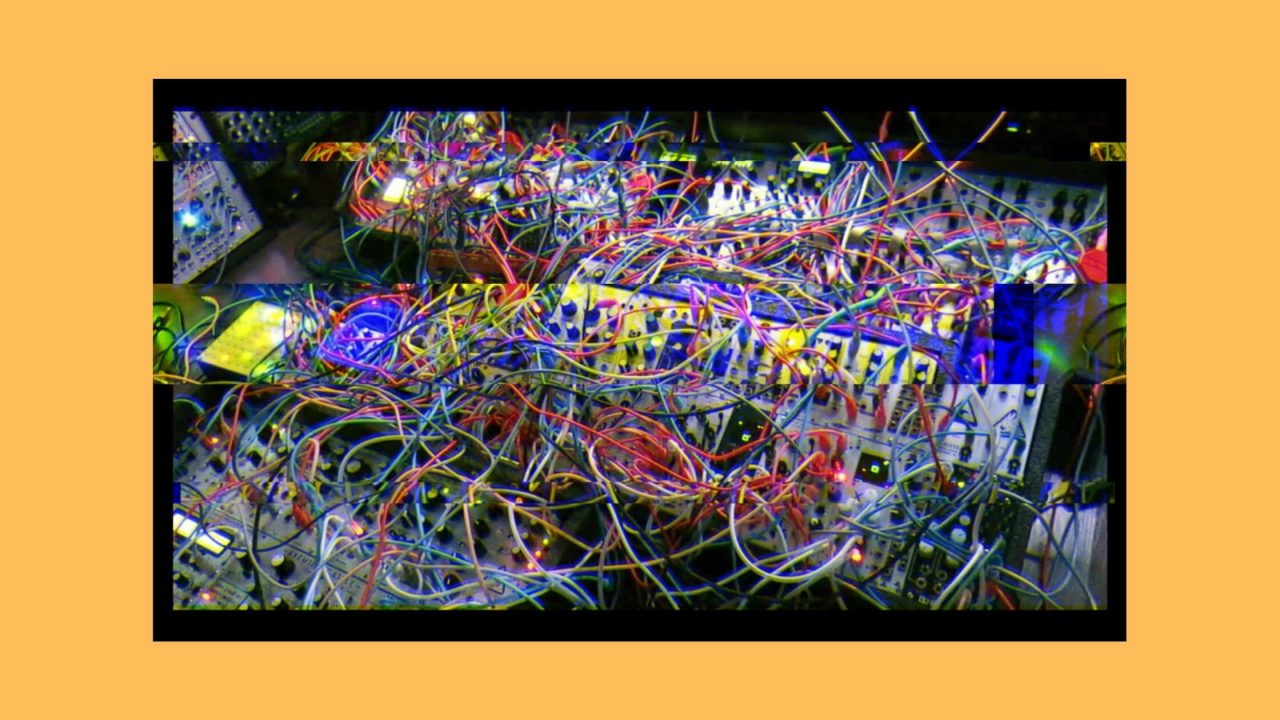
Music business? All we know is the business of cables. Knowing what cables to use, what purpose different cables serve, and why we have different cables is some very handy knowledge – and you’ll soon…
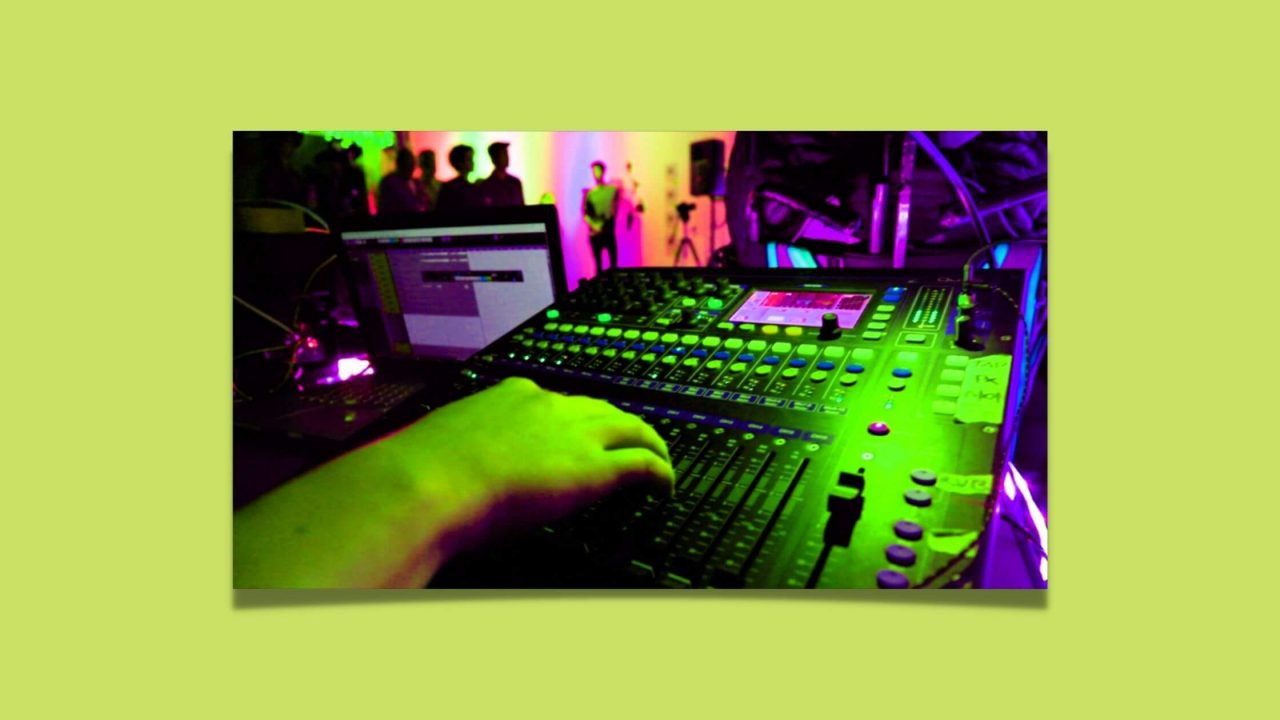
Filters can be creatively and purposefully used to define and accentuate elements of your music. They can add movement, cut additional harmonics and tidy frequency groups. Both high and low pass filters can perform in…
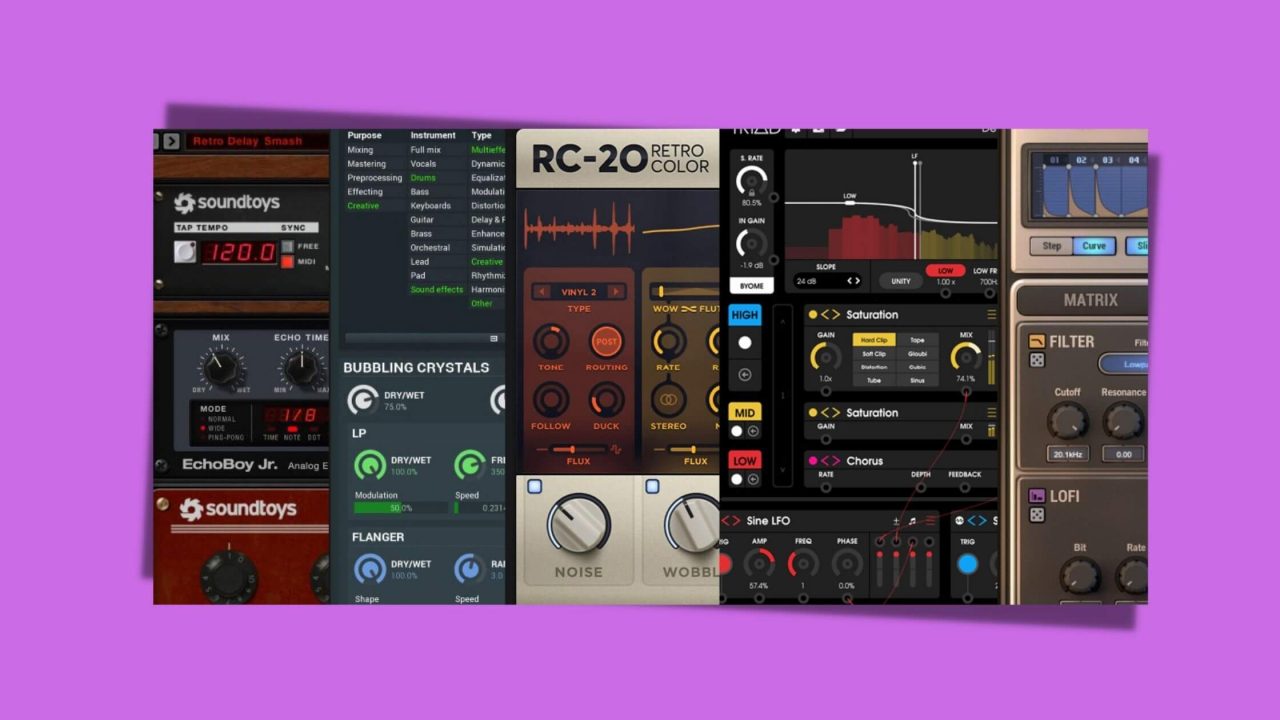
We use filters to cut frequency groups from your audio signal that you have defined. Filters can also clean and tidy specific spaces in a mix, they can add movement to an otherwise still sound,…
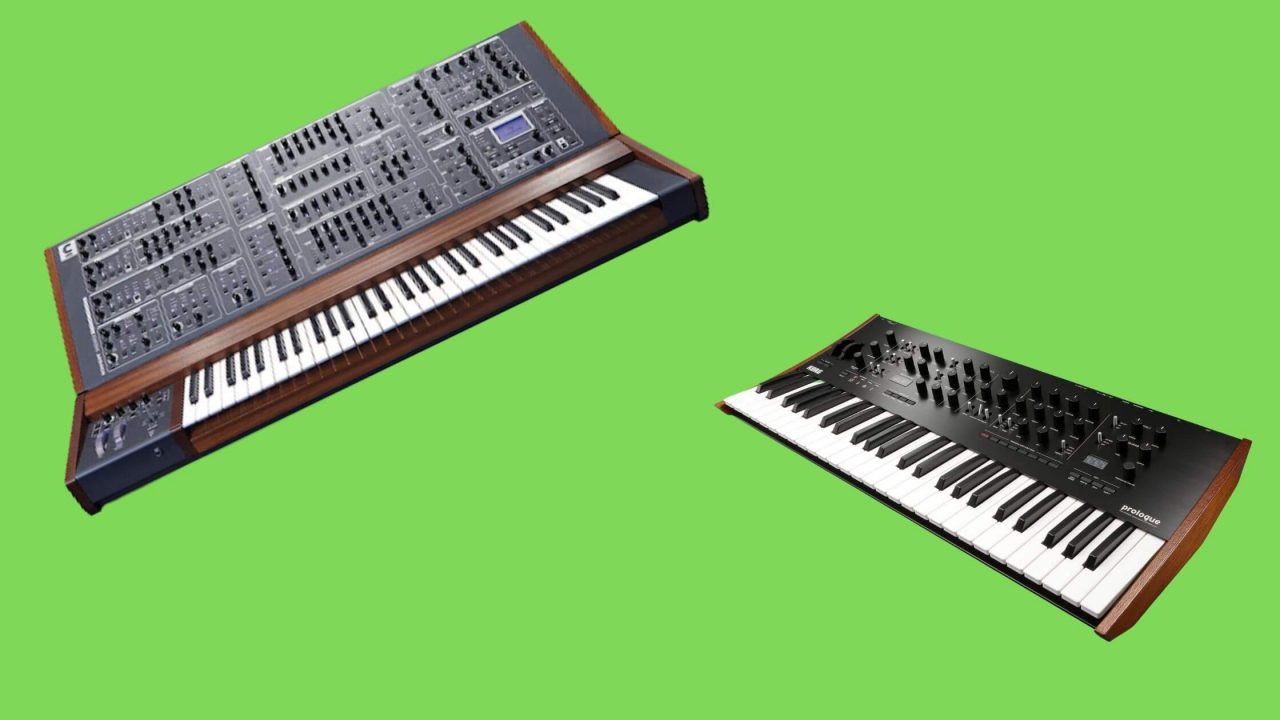
The two main types of synths available to us today are monophonic and polyphonic. Monophonic means only one note can be played at any one time, while polyphonic means multiple notes can be played at…
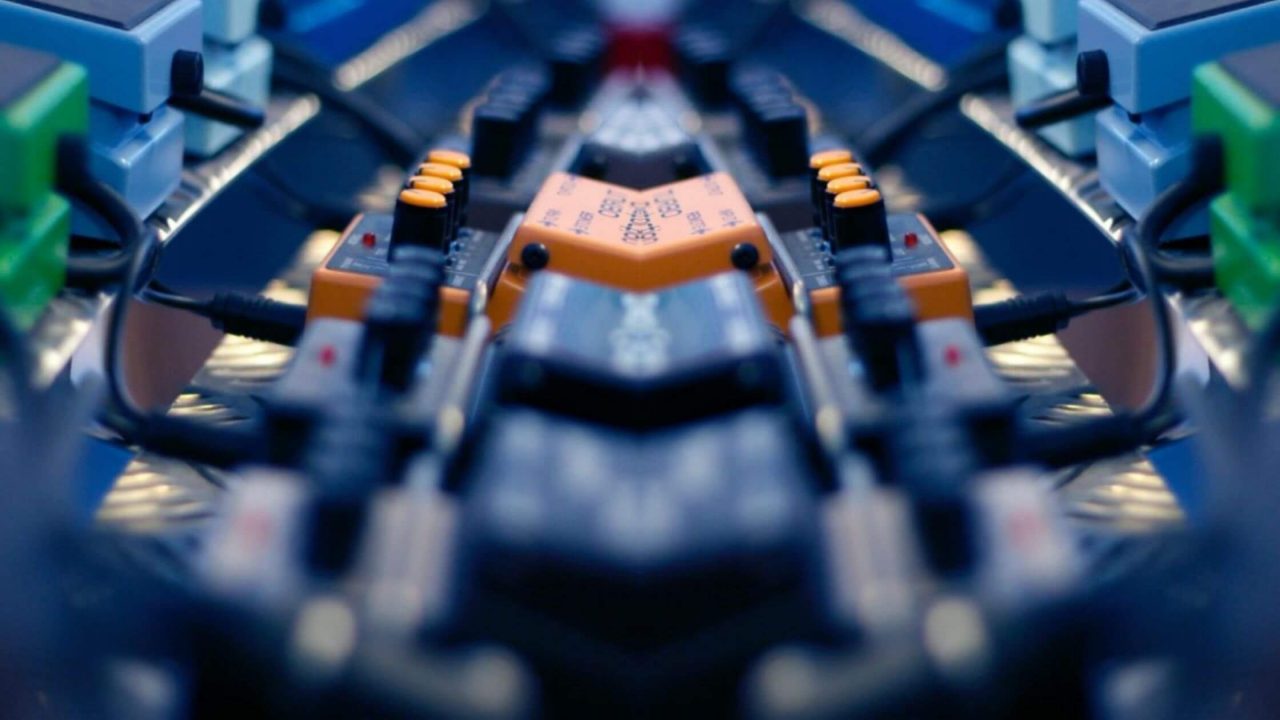
Flanger, chorus and phasers all operate in the realm of time-based effects. Each makes a copy of the original signal and modulates the copied signal rather than the origiinal. What is Phase? Phase translates to…
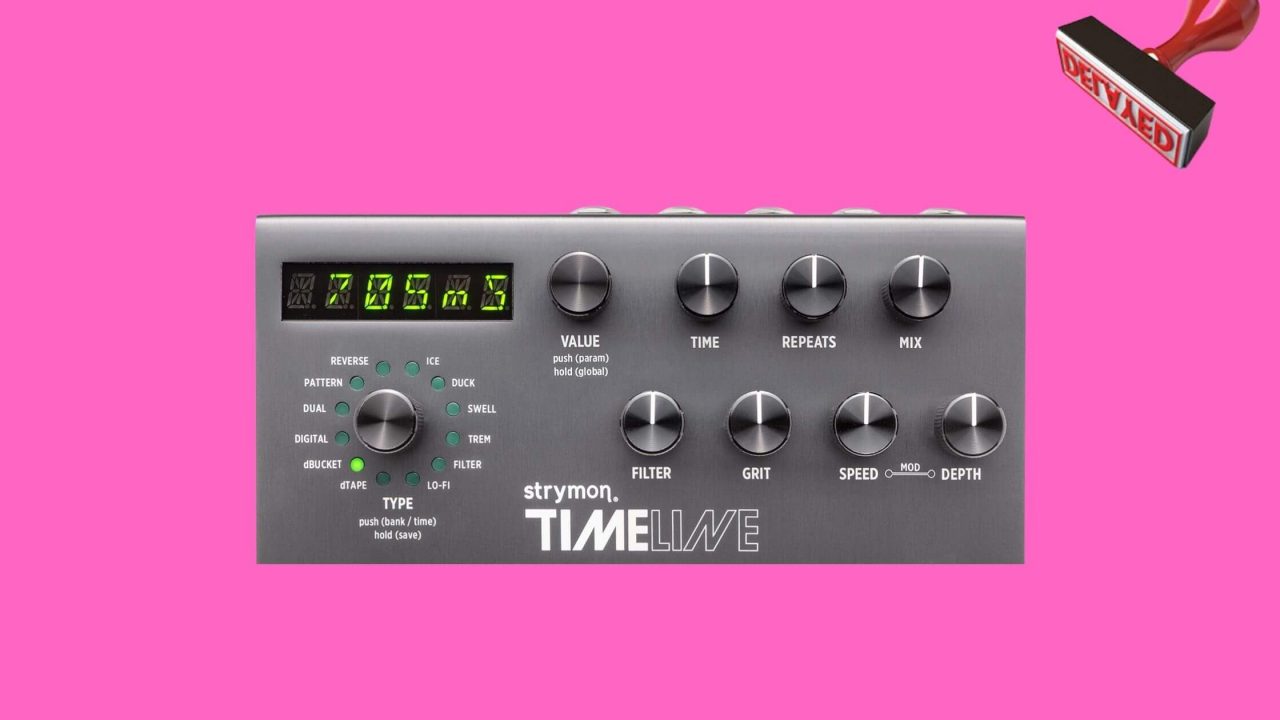
We’ve discussed where delay should go in your signal chain, what the different parameters from tempo to feedback represent, and some different delay techniques you can use in your track to get you started. Now…